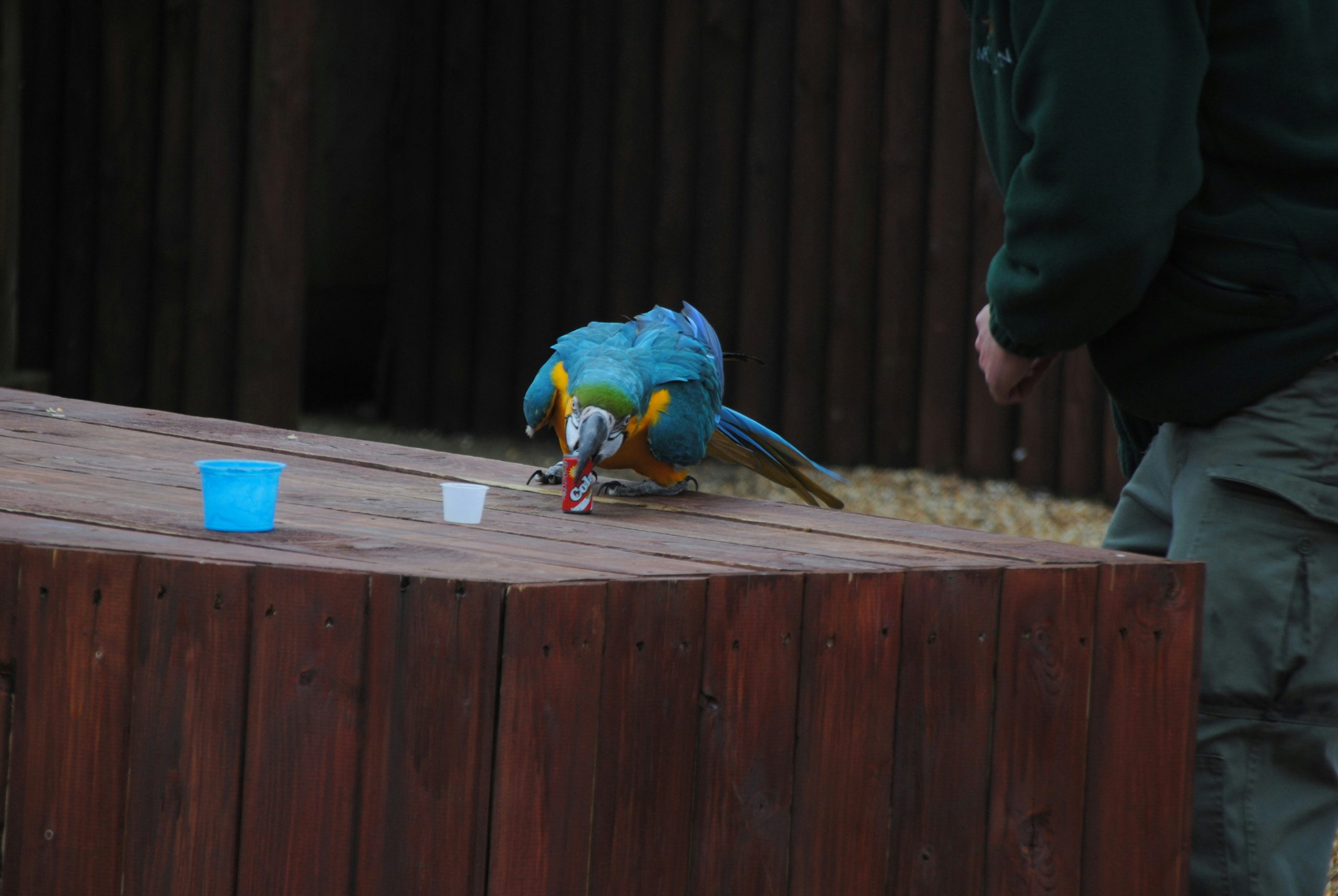
Determining your worth as an avian professional is one of the most difficult hurdles you will face. When you decide to learn how to price one-on-one parrot training sessions, you are not just selling an hour of your time. You are offering years of experience, safety protocols, and a deeper bond between a bird and its owner.
Striking the right balance ensures your business stays healthy while remaining accessible to those who need help. If you price too low, you risk burnout and being seen as an amateur. Price is too high without the right credentials, and you may struggle to fill your calendar.
Understanding Your Market and Current Competitor Rates
Market research is the first step in any pricing strategy. In 2026, the average rate for a professional bird trainer varies widely by location and specialization. Most independent trainers find that their local market dictates a baseline they must respect.
Generally, an initial consultation for a new client ranges between $125 and $175 per hour. This first meeting is often more expensive because it involves extensive diagnostic work and history-taking. Following this, standard hourly sessions often settle between $75 and $110.
You should look at what other animal behaviorists in your area are charging, even those who work with dogs. While parrots are a niche market, the overhead and travel time for pet professionals remain similar. If you are in a high-cost city like San Francisco or New York, your rates should reflect that higher cost of living.
Factors That Dictate Your Professional Fees
Not every training session is created equal. A session with a timid Budgie is vastly different from working with a reactive Hyacinth Macaw. Your pricing needs to account for these nuances to protect your profit margins.
Bird Species and Size Complexity
Large parrots come with higher risks. A Macaw or a large Cockatoo can exert hundreds of pounds of pressure with its beak. If you are working with large birds, you are essentially charging a “danger pay” premium.
Smaller birds might seem easier, but they are often more fragile and require more delicate handling. Many trainers use a tiered system based on the bird’s size. For instance, you might charge a 15% premium for “Large” birds to cover the extra physical demands and specialized equipment.
Behavioral vs. Trick Training
Basic trick training, like “wave” or “turn around,” is straightforward and lower stress. Behavioral modification for issues like chronic screaming, feather plucking, or aggression is much more taxing. These sessions require a deep understanding of avian psychology and behavior.
Clients seeking help for a bird that is hurting itself or others are usually willing to pay more for specialized help. You should consider charging more for behavioral cases than for standard “fun” training. This reflects the higher level of expertise required to solve complex psychological issues in prey animals.
Calculating Your Business Overhead
Before you set a price, you must know what it costs you to exist. Many new trainers forget to subtract their expenses before calculating their “hourly rate.” If you charge $80 but spend $30 on gas and insurance, you aren’t making $80.
Professional Liability Insurance
Working with animals is unpredictable. A bird might get injured, or a client might get bitten during a session. Professional liability insurance is a non-negotiable expense for any serious trainer.
Policies for animal behaviorists usually cost several hundred dollars per year. Divide this annual cost by the number of sessions you plan to hold. This “per-session cost” must be baked into your final price.
Travel and Equipment
If you offer in-home sessions, travel is a massive factor. Wear and tear on your vehicle, fuel, and time spent in traffic add up fast. Most trainers include a “travel radius” in their base fee and charge a per-mile rate for anything beyond 15 miles.
Don’t forget your training kit. High-quality treats, clickers, target sticks, and sanitizing supplies need to be replenished. Even the cost of your Association of Avian Veterinarians membership should be factored into your business costs.
Step-by-Step Guide: How to Price One-on-One Parrot Training Sessions
Setting your price is a logical process. Follow these steps to reach a fair, sustainable number.
- Determine Your Survival Income: Calculate how much you need to earn per month to cover all personal and business expenses.
- Calculate Billable Hours: You cannot train for 40 hours a week. Factor in prep time, travel, and admin work to see how many “actual” sessions you can handle.
- Add Your Overhead: Total your insurance, marketing, and equipment costs.
- Research Local Averages: Find the median rate in your specific city or region.
- Identify Your Unique Value: Are you certified? Do you have 10+ years of experience? Add a 10-20% premium for these credentials.
- Set Your Initial Consult Fee: This should be 20-50% higher than your standard hourly rate.
- Create Your Hourly Rate: Combine your costs, your desired profit, and your market position.
- Review Quarterly: Adjust your prices every few months based on demand and inflation.
Structuring Your Packages for Client Retention
Single sessions rarely lead to permanent behavior changes. Real progress with parrots takes time and consistency. To encourage this, many pros move away from “one-off” sessions and toward packages.
A common model is the 5-session bundle. You might offer this for $450, whereas five individual sessions would cost $500. This $50 discount acts as a “loyalty hook” that keeps the client committed to the training process.
Packages also help with your cash flow. Getting paid up front for a month of work provides much more stability than hoping for a call next Tuesday. Just be sure to set a clear expiration date for these sessions to prevent clients from trying to use them three years later.
Geographic and Demographic Adjustments
Where you live changes everything about your pricing. A trainer in a rural area may need to keep prices lower because the local economy can’t support $ 200-per-session rates. However, that trainer might have much lower rent and insurance costs.
In urban centers, your target demographic is often high-earning professionals. These clients value their time above all else. They are often happy to pay a premium for a trainer who is punctual, professional, and provides digital summaries of every session.
If you find that your local market is too “cheap,” consider offering virtual coaching. You can reach clients globally without ever leaving your house. This eliminates travel costs and allows you to charge a flat, competitive rate based on your global reputation rather than local competition.
The Value of Certifications and Continuing Education
Clients want to know they are hiring an expert. A certification from a recognized body, such as the International Association of Animal Behavior Consultants (IAABC), serves as a “trust signal.” It proves you have met a certain standard of knowledge and ethics.
When you hold these credentials, you can and should charge more. A “certified” trainer can often command 30% more than an uncertified peer. This extra income quickly pays for the cost of the exam and the yearly membership fees.
Beyond the title, staying up to date on the latest science-based methods makes you faster at solving problems. A trainer who can fix a screaming issue in three sessions is worth much more than a cheaper trainer who takes ten sessions. Your price reflects your efficiency and your ability to deliver results.
Communicating Your Value to Clients
When a potential client asks for your price, don’t just state a number. Frame it within the context of the transformation you provide. You aren’t just “teaching a bird to step up.” You are “creating a peaceful home environment where the bird feels safe, and the owner feels confident.”
If a client balks at your $150 consultation fee, explain what it covers. Mention the pre-session questionnaire, the hour of focused observation, and the customized written plan they receive afterward. Showing the “hidden work” helps justify the cost in their minds.
Avoid sounding like a robot or a textbook when talking about money. Be direct and firm, but stay empathetic toward the bird owner’s struggle. People buy from people they trust, especially when it comes to their beloved pets.
Conclusion: Finding the Right Balance
Learning how to price one-on-one parrot training sessions is an ongoing journey. As you gain more success stories and better reviews, your value naturally climbs. Do not be afraid to raise your rates as your schedule fills up.
Remember that your time is a finite resource. By pricing correctly, you ensure that you can continue helping birds and their owners for years to come. High-value training changes lives, and that is a service worth every penny.
Focus on your “why,” keep your overhead low, and always lead with science-based compassion. If you do that, your clients will see the value in your work, and your business will thrive in any economy. Keep your eyes on the data but your heart in the aviary.