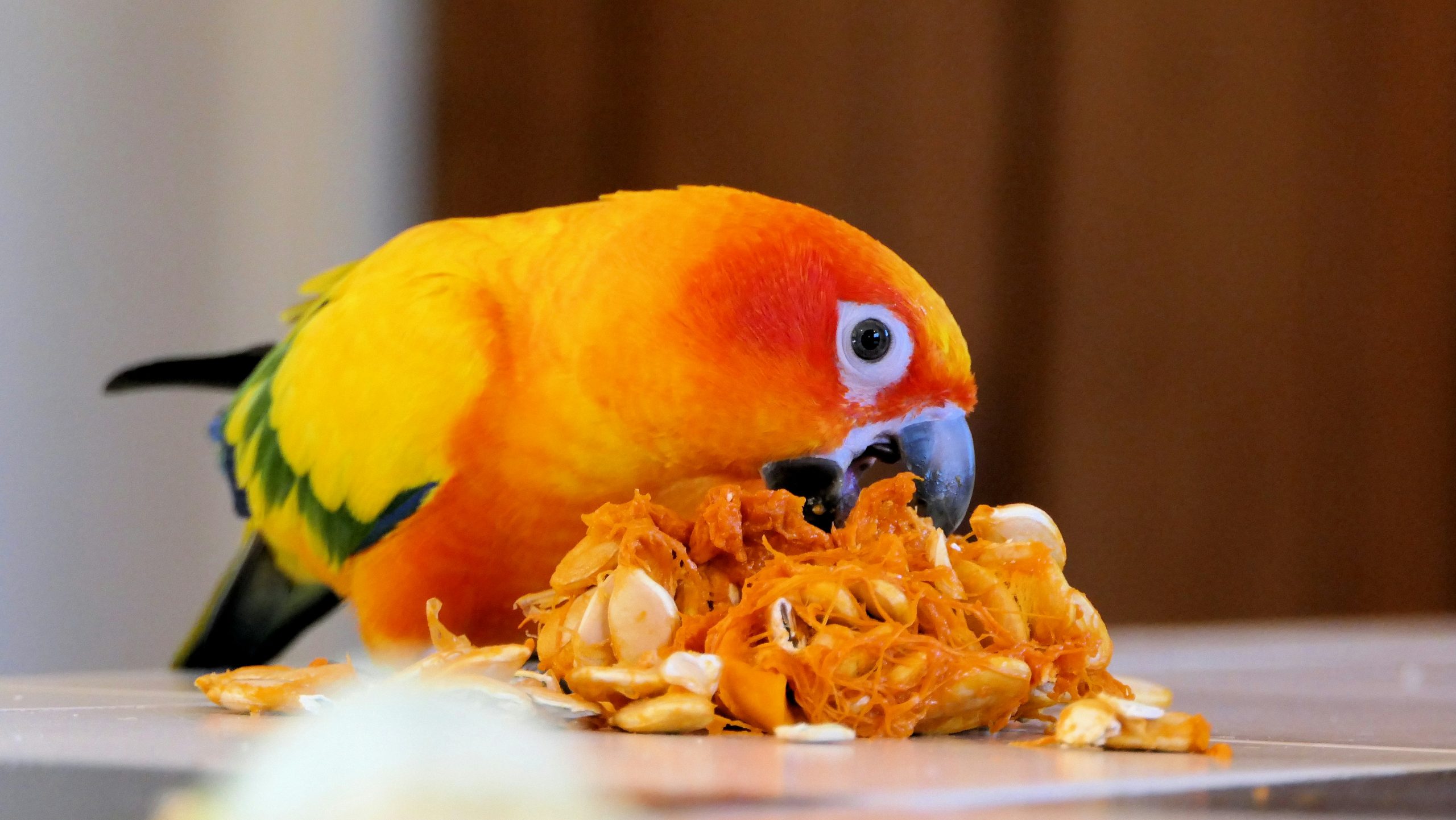
Figuring out how to make parrot chop that doesn’t turn watery is a common challenge for bird owners. The secret lies in controlling moisture before, during, and after preparation.
You can eliminate excess liquid by thoroughly drying washed vegetables. Avoiding high-water ingredients and mixing in dry items like rolled oats or chia seeds also prevents puddles.
Why Does Parrot Chop Become Soggy?
Soggy bird food usually results from ruptured plant cells. When you freeze fresh produce, the water inside the plant cells expands and breaks the cell walls.
As the food thaws, those broken walls release their stored water. This creates the wet, mushy texture that many parrots refuse to eat.
Using a food processor incorrectly can also cause this issue. Over-blending vegetables turns them into a paste, which releases juices immediately instead of keeping the pieces intact.
How to Make Parrot Chop That Doesn’t Turn Watery: The Core Steps
Step 1: Select Low-Moisture Vegetables
The foundation of a dry mix is choosing the right base ingredients. Start with dense, firm vegetables that contain less natural water.
Root vegetables and tough greens are excellent choices. Avoid making tomatoes, cucumbers, or celery the bulk of your batch.
If you must include wet vegetables, prepare them separately. Serve them fresh daily rather than mixing them into your large, freezable batch.
Step 2: Wash and Thoroughly Dry All Produce
Washing your produce is necessary to remove pesticides and dirt. However, failing to dry the vegetables afterward is the number one cause of a wet mix.
Use a salad spinner to remove the majority of the surface water from leafy greens. After spinning, lay the greens flat on clean paper towels to air dry for thirty minutes.
For firm vegetables, pat them completely dry with a cloth before they ever touch your cutting board. Even a few drops of surface water multiply quickly across a large batch of food.
Step 3: Use the Right Chopping Technique
Hand-dicing yields the best, driest results. A sharp knife cuts cleanly through the plant tissue without crushing it.
If you use a food processor to save time, use the pulse function. Only pulse the machine two or three times to achieve a coarse chop.
Process different ingredients in separate batches. Blending hard carrots with soft bell peppers will turn the peppers to mush before the carrots are properly sized.
Step 4: Incorporate Moisture-Absorbing Ingredients
Dry ingredients act as sponges in your mix. They absorb any liquid released by the vegetables during the freezing and thawing cycle.
Add these dry items right before you package the food for storage. They will pull moisture away from the greens, keeping the overall texture firm.
Excellent natural absorbers include:
- Dry chia seeds.
- Uncooked, raw rolled oats.
- Flax seeds.
- Hemp hearts.
- Freeze-dried vegetable pieces.
Best Ingredients for a Dry Bird Diet
Top Low-Water Vegetables
Building your recipe around dense produce guarantees a better texture. These items hold up exceptionally well to freezing and thawing.
Make these the bulk of your recipe:
- Carrots: Firm, highly nutritious, and release almost no water.
- Sweet Potatoes: Excellent source of vitamin A; use them cooked and completely cooled, or finely grated raw.
- Broccoli: The florets stay intact and do not become mushy.
- Cauliflower: Similar to broccoli, it provides great crunch and bulk.
- Butternut Squash: A dense alternative to soft, watery squashes like zucchini.
- Kale and Collard Greens: These tough, fibrous leaves hold up much better than delicate lettuces.
Safe Grains and Seeds
Grains add necessary carbohydrates and act as a buffer against moisture. When selecting grains, ensure they are safe and prepared correctly according to avian nutrition guidelines.
If you cook grains like quinoa or brown rice, you must let them cool entirely. Adding warm grains to fresh vegetables creates condensation, which immediately ruins your dry batch.
Many owners skip cooking altogether and use dry grains. Mixing in a small portion of a high-quality, pellet-based bird food right before serving also adds crunch and absorbs stray liquids.
Ingredients to Avoid for Better Texture
Certain items will ruin a large batch of food, regardless of how well you prepare them. You should keep these out of your freezable mixes entirely.
High-Water Fruits: Fruits contain significant sugar and water. Items like watermelon, grapes, oranges, and strawberries will turn any mixture into a soup.
Feed fresh fruit in separate bowls as a daily treat. Never mix them into your bulk preparations.
Water-Heavy Vegetables: Iceberg lettuce, celery, and cucumbers are almost entirely composed of water. They offer very little nutritional benefit to parrots and ruin the texture of better ingredients.
Tomatoes are another common culprit. Their soft centers and high juice content make them unsuitable for batch freezing.
Proper Freezing and Thawing Methods
Freezing in Small Batches
Oxygen and slow freezing times contribute to mushy food. You want the mixture to freeze as quickly as possible to minimize ice crystal formation.
Divide your fresh mix into small, single-serving portions. Ice cube trays or small, flattened silicone bags work perfectly.
When you flatten the mixture in a bag, it freezes rapidly. It also takes up less space in your freezer and allows you to break off exact portions easily.
Thawing Without Puddles
How you defrost the food is just as critical as how you freeze it. Never microwave the mix, as this cooks the vegetables and forces the water out instantly.
The best method is to thaw a single portion overnight in the refrigerator. Place the frozen cube or chunk on a folded paper towel inside a small dish.
The paper towel wicks away the condensation as the ice melts. By morning, you have a perfectly textured meal ready for your bird’s bowl.
Alternatively, many parrots enjoy eating the mixture while it is still partially frozen. This completely bypasses the thawing problem and provides a crunchy, enriching texture.
Advanced Techniques for a Crisp Mix
The “Dry Toss” Method
After processing all your vegetables, place them into a large, wide mixing bowl. Toss them gently with a wooden spoon to evenly distribute the dense and soft items.
At this stage, sprinkle your chosen moisture absorbers (like oats or chia seeds) over the top. Toss the mixture one final time to coat the vegetables in the dry ingredients.
This creates a barrier around the freshly cut edges of the produce. It traps the moisture inside the plant fibers before it can pool at the bottom of your container.
Using Dehydrated Elements
Adding commercial, bird-safe dehydrated vegetables is a simple hack. These items contain zero water and aggressively pull moisture from their surroundings.
You can find freeze-dried peas, corn, or bell peppers. Ensure the brand you buy contains no added salt, sulfur, or preservatives.
Mix a handful of these dehydrated pieces into your fresh batch. As the fresh items release small amounts of juice, the freeze-dried items rehydrate, balancing the moisture levels perfectly.
Summary
Learning how to make parrot chop that doesn’t turn watery requires attention to detail during preparation. By selecting dense vegetables, drying your produce thoroughly, and utilizing moisture-absorbing grains, you can create the perfect texture.
Remember to hand-dice when possible and freeze in small, flat batches to prevent cellular breakdown. Follow these precise steps, and your bird will enjoy fresh, crisp, and nutritious meals every single day.