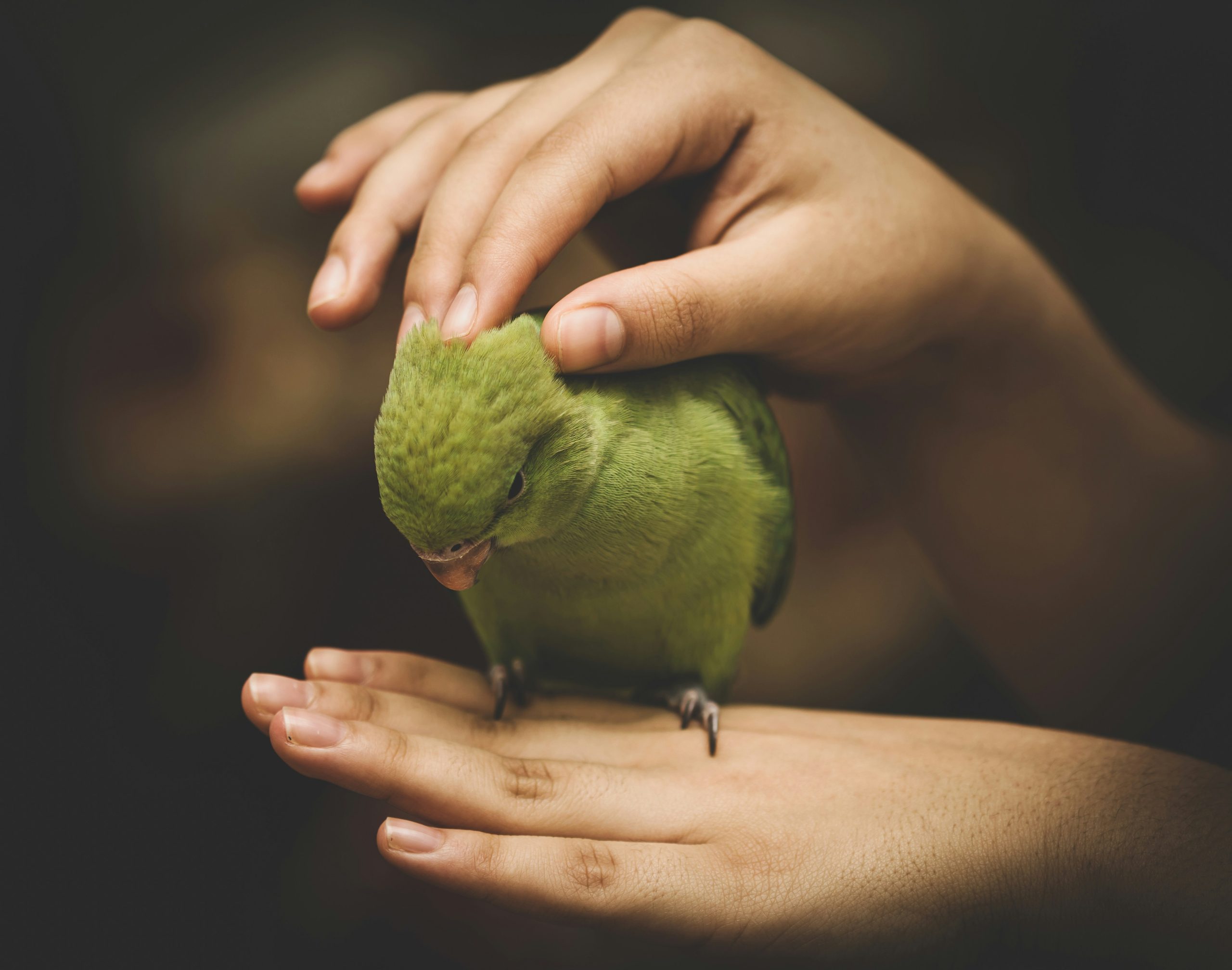
Bringing a feathered friend home is a thrilling experience, but the initial silence or occasional hiss can be discouraging. Learning how to bond with a new parrot fast is the primary goal for every new owner. Building trust with an avian companion requires a blend of patience, psychology, and consistent positive reinforcement.
Parrots are highly social, intelligent creatures, yet they are also prey animals. This means their instinct is to be wary of new environments and large “predators” (humans). To bridge this gap, you must transition from a stranger to a trusted member of their flock.
How Long Does It Take to Bond With a New Parrot?

Most owners want an immediate connection, but the timeline varies by species and individual history. On average, you will see significant signs of trust within two to four weeks if you remain consistent. Some birds may take months, while a hand-reared budgie might settle in within days.
The key is to focus on quality interactions rather than counting the hours. A parrot that feels safe will naturally begin to seek your company.
1. Respect the “Settling In” Period
The first 48 hours are critical for your bird’s long-term mental health. Pushing for physical contact too early can set your progress back by weeks.
Create a Safe Haven
Place the cage in a corner where the bird has two solid walls behind them. This gives them a sense of security as they don’t have to watch their back. Avoid high-traffic areas initially, but keep them in a room where they can see you from a distance.
Passive Interaction
Spend time in the same room without looking directly at the parrot. Read a book, work on your laptop, or scroll through your phone near the cage. This teaches the bird that your presence is non-threatening and predictable.
Use a Soft Voice
Parrots are sensitive to tone. Talk to your bird in a calm, melodic voice. Narrate what you are doing, such as “I’m just cleaning your water bowl now.” This helps them associate your voice with routine care.
2. Master the Art of Reading Avian Body Language
You cannot bond with a parrot if you constantly ignore their “no.” Understanding their physical cues is the fastest way to build mutual respect.
Signs of Comfort
- Beak Grinding: A clicking or sliding sound made with the beak, usually before sleep. It signifies deep contentment.
- Preening: If a bird grooms itself in your presence, it feels safe enough to let its guard down.
- Feather Fluffing: A quick shake followed by settling feathers indicates the bird is relaxing.
Signs of Stress or Aggression
- Eye Pinning: The rapid dilating and contracting of the pupils. While it can mean excitement, in a new bird, it often signals a warning.
- Lunging: A clear sign that you are invading their personal space.
- Tight Feathers: A bird that looks “slim” or slicked down is likely terrified and ready to fly away.
According to research from The Association of Avian Veterinarians, respecting these boundaries prevents “fear-biting,” which is the most common hurdle in new parrot ownership.
3. The Power of Food Motivation
The fastest way to a parrot’s heart is through its crop. Treats are the primary currency in the world of bird training.
Identify High-Value Treats
Experiment to see what your bird loves most. For many, it is spray millet, sunflower seeds, or a small piece of walnut. Reserve these “jackpot” treats exclusively for bonding sessions.
The “Drop-In” Method
Every time you walk past the cage, calmly drop a small treat into their food bowl. Do not try to hand-feed yet. Soon, the bird will begin to move toward the front of the cage when they see you approaching, associating you with delicious rewards.
Shared Meals
In the wild, flocks eat together. Try eating a bird-safe snack (like an apple or broccoli) near the cage. When the bird sees you eating, they will often begin to eat their own food. This “social eating” is a major milestone in flock integration.
4. Transitioning to Hand-Feeding
Once the bird is comfortable taking treats from a bowl in your presence, you can move to direct contact.
The Long Treat Technique
Use a long piece of spray millet or a whole almond. Hold it at the very end so the bird can take a bite without getting too close to your hand. This builds confidence without the pressure of physical touch.
Gradual Proximity
As the days pass, hold the treat for shorter and shorter periods. Eventually, the bird will be taking the treat directly from your fingers. If the bird hesitates or leans back, go back a step. Never force the interaction.
5. Implement Target Training
Target training is a game-changer for owners wondering how to bond with a new parrot fast. It provides a clear way to communicate without touch.
How to Start Target Training?
- The Tool: Use a simple wooden chopstick or a dedicated target stick.
- The Action: Present the tip of the stick near the bird.
- The Reward: The moment the bird touches the tip with its beak, say “Good!” or use a clicker, and immediately offer a treat.
- Movement: Once they understand the concept, move the stick further away, forcing the bird to take a step toward it to get the reward.
This process gives the bird a sense of control and accomplishment. It also allows you to move the bird around the cage or onto a perch without having to grab them. You can find excellent visual guides on training at Lafeber Company.
6. The “Step-Up” Milestone
Stepping up is the foundational behavior for all future handling. It should only be attempted once the bird is completely comfortable with your hand near the cage.
The Gentle Approach
Offer your index finger or a perch (if the bird is large) at the level of the bird’s lower chest, just above the legs. Most birds will naturally step up to reach a higher vantage point.
Using the Bridge
If the bird is hesitant, hold a treat in your other hand, so they have to step onto your finger to reach the reward. Once they step up, praise them lavishly and give them the treat.
Keeping It Short
Initial step-up sessions should last only a minute or two. Always end on a positive note while the bird is still successful and happy.
7. Environmental Enrichment and Play
Bonding isn’t just about training; it’s about having fun together.
Foraging Activities
Parrots spend a large portion of their day foraging in the wild. Create simple foraging toys by hiding treats in crumpled paper or cardboard boxes. Helping your bird “solve” these puzzles creates a collaborative bond.
Mirroring Behavior
Parrots love to mimic. If your bird makes a specific whistle or click, repeat it. This “dialogue” shows the bird that you are paying attention and attempting to speak their language.
Gentle Play
Try rolling a small ball or wiggling a foot toy on a table. If the bird shows interest, gently push the toy toward them. This type of interactive play builds trust through shared activity.
Common Mistakes That Ruin the Bond
Avoiding these pitfalls is just as important as the bonding exercises themselves.
- Grabbing the Bird: Never “toweling” or grabbing a bird unless it is a medical emergency. This shatters trust instantly.
- Staring Directly: In the animal kingdom, a direct, unblinking stare is the mark of a predator. Use “soft eyes” and blink frequently.
- Loud Noises: Avoid shouting or playing loud music near a new bird. Their hearing is incredibly sensitive.
- Inconsistency: Birds thrive on routine. If you are attentive one day and ignore them the next three, they will become anxious.
Understanding Species-Specific Traits
While the general rules apply to all, some species have unique social needs.
| Species | Primary Bonding Trait | Best Approach |
|---|---|---|
| Budgies | Flock-oriented | Passive presence and whistling. |
| Cockatiels | Affectionate | Gentle head scratches (once trusted). |
| African Greys | Highly Observational | Intellectual stimulation and talking. |
| Conures | Playful and Clannish | Interactive toys and physical activity. |
| Macaws | Social Giants | Consistent boundaries and large-scale play. |
Establishing a Long-Term Connection
Bonding is a marathon, not a sprint. Even after the initial “fast” bonding phase, you must continue to nurture the relationship.
The Importance of Routine
Feed and play with your bird at the same time every day. This predictability lowers their cortisol levels and makes them more open to interaction.
Out-of-Cage Time
Once the bird is comfortable stepping up, allow them supervised time outside the cage. A bird that can explore its environment safely is confident. Ensure all windows are closed, and ceiling fans are off.
Continued Education
Keep teaching your bird new tricks. Whether it’s “wave,” “turn around,” or identifying colors, the mental stimulation keeps the bond fresh and prevents boredom-related behavioral issues.
Conclusion
If you want to know how to bond with a new parrot fast, the answer lies in empathy. Put yourself in the position of a small creature in a giant, unfamiliar world. By offering safety, delicious food, and clear communication, you remove the fear that stands between you and your bird.
Consistency is your greatest ally. Dedicate at least 30 to 60 minutes a day to focused bonding, broken into short 10-minute sessions. Over time, those small moments of trust will coalesce into a lifetime of companionship. Your parrot isn’t just a pet; they are a highly intelligent social partner waiting for you to show it that you are part of their flock.